
7 Natural Alternatives to Ozempic That Support Weight Loss and Blood Sugar Balance

Looking for affordable, natural ways to support healthy weight loss and balanced blood sugar without medication? These 7 research-backed Ozempic alternatives—from berberine to fiber-rich foods—help your body manage appetite and metabolism naturally.

Affordable Ozempic Alternatives for Effective and Sustainable Weight Loss
Recently, I shared a detailed article about GLP-1 (semaglutide), commonly known as Ozempic—you can check it out here. Today, I want to approach this topic from a different angle by highlighting 7 natural alternatives to Ozempic that everyone should know. These options are not only effective for supporting blood sugar balance and metabolism, but they’re also affordable and accessible. There’s no denying that Ozempic has become a buzzword in the world of weight loss and blood sugar management. But while it’s effective, it’s also expensive, requires a prescription, and can come with unwanted side effects.
The good news? You don’t need a weekly injection to get similar benefits. Nature offers powerful tools that support your body’s own GLP-1 hormone activity, helping regulate appetite, improve insulin sensitivity, and promote steady energy—all naturally.
In this post, we’ll explore 7 natural alternatives to Ozempic that can help you achieve weight loss and better blood sugar balance, plus practical tips. Ensure to download my FREE 5-Day Detox Challenge — a simple, refreshing reset to help you kickstart your weight-loss and wellness journey naturally!

#1 Natural Alternatives to Ozempic – Berberine: The “Natural Metformin”
Berberine is a plant compound found in herbs like barberry and goldenseal. Research shows it may mimic some of the effects of Metformin—a medication often compared to semaglutide—by improving insulin sensitivity and supporting healthy blood sugar levels.
Berberine is one of the most effective natural compounds for balancing blood sugar and supporting weight loss. It activates AMPK, often called your body’s “metabolic switch.” Read my Berberine vs. Ozempic post to learn how this could be a great option for you.
How it helps:
- Balances blood sugar and improves insulin sensitivity
- Supports fat metabolism and energy balance
- Aids in appetite control as well as reduces sugar cravings
- Best practices:
- Take 500 mg two to three times daily with meals.
- Choose a reputable brand with third-party testing (like Thorne, NOW, or Nutricost).
Pros:
- Backed by strong clinical research
- Affordable and easily accessible
- May improve cholesterol and gut health
Cons:
- Can cause mild digestive upset
- Not suitable during pregnancy or with certain medications
- Takes several weeks to show results
Where to buy: Find berberine capsules at Amazon, iHerb, Thrive Market, or your local health food store. Pro tip: Pair with protein-rich meals for optimal blood sugar support.
#2 Natural Alternatives to Ozempic – Fiber Rich Foods (and Fiber Supplements)
Fiber is one of the most natural ways to mimic Ozempic’s appetite control. It slows digestion, increases fullness, and stabilizes blood sugar levels. Fiber is one of the most underrated weight management tools—all key mechanisms alsotargeted by Ozempic.
Examples of High-Fiber Foods That Support Weight Loss and Blood Sugar Balance:
These foods are naturally rich in soluble and insoluble fiber, helping slow digestion, improve fullness, and keep blood sugar stable—similar to GLP-1’s appetite-regulating effect.
- Oats: A great source of beta-glucan, which reduces cholesterol and controls blood sugar. See this coconut milk oatmeal porridge.
- Chia seeds: Expand in the stomach, helping you feel full longer; also support gut health. Chia pudding is an excellent option!
- Ground flaxseed: Contain soluble fiber and omega-3s for heart and metabolic health. I like adding ground flaxseed to my overnight oats or baking.
- Beans and lentils: Packed with protein and fiber; excellent for steady energy and digestion. I love my Nigerian beans porridge.
- Apples and pears (with skin): Offer natural pectin, a soluble fiber that helps stabilize glucose.
- Sweet potatoes: Contain resistant starch, which supports gut balance and fullness. See my vegan mashed sweet potatoes, yum!
- Leafy greens (spinach, kale, collards): Low in calories but rich in fiber and antioxidants. Check out this spinach berry salad, also, this kale salad!
- Berries (raspberries, blackberries): High in fiber and antioxidants for inflammation control. I love adding berries to my oatmeal bowls for quick snacks. Also, I primarily make berry smoothies. Check out my avocado strawberry smoothie, beetroot strawberry smoothie and blueberry smoothie.

Tip: Try pairing fiber-rich foods with lean protein and healthy fats for better blood sugar stability that also supports weight loss. This healthy air fryer salmon, chicken breast fajitas or this creamy salmon in coconut garlic sauce!
Popular Fiber Supplements (When You Need a Boost)
For those who struggle to get enough fiber through food alone, these supplements can be convenient and affordable options. Here are trusted, affordable fiber supplements:
- Psyllium Husk (Metamucil or NOW brand): Excellent for lowering cholesterol and stabilizing glucose.
- Inulin (chicory root fiber): Prebiotic that feeds good gut bacteria; found in Garden of Life Raw Fiber.
- Acacia Fiber (powder or capsules): Gentle on digestion, ideal for sensitive stomachs.
- Glucomannan (Konjac Root): Expands in the stomach and may aid in appetite control; found in LeanFiber or NOW Glucomannan.
Quick Takeaway: Fiber is one of the simplest, most affordable ways to support blood sugar balance and appetite control—two of the main reasons people turn to GLP-1. Whether through real food or supplements, consistent daily intake can help you stay full, energized, and in metabolic balance naturally. Fiber-rich foods help with insulin resistance.
Pros:
- 100% natural and budget-friendly
- Improves digestion and heart health
- Helps control appetite
Cons:
- Needs plenty of water to avoid bloating
- Too much can cause constipation
- Results build gradually over time
#3 Natural Alternatives to Ozempic – Apple Cider Vinegar (ACV)
Apple cider vinegar (ACV) may sound a little old-fashioned, but modern research supports its ability to lower blood sugar, reduce appetite, and slow digestion—very similar to how Ozempic works in the body. A few months ago, I wrote a detailed post on 25 powerful uses and benefits of apple cider vinegar—feel free to check it out on the blog. In that same post, I also shared exactly how I mix and drink ACV every single day to support digestion and metabolism.
Apple cider vinegar may improve insulin sensitivity and reduce appetite. It’s been used for centuries to support digestion and metabolism.
How it helps:
- Improves post-meal glucose control
- Supports gut health and digestion
- Enhances satiety, curbing appetite
Best practices for Apple Cider Vinegar as an Ozempic Alternative:
- Mix 1–2 tablespoons of apple cider vinegar in about 16 ounces of water before or after meals (that’s how I usually take mine). If you’re new to ACV, start with just 1 tablespoon to see how your body responds. And as always, if you have any underlying medical conditions, please consult your healthcare provider before adding ACV to your daily routine.
- Choose raw, unfiltered ACV with “the mother” (like Bragg’s).
Pros:
- Affordable and widely available
- Simple to use before meals
- Adds digestive and gut benefits
Cons:
- Strong taste can irritate the throat or stomach
- Undiluted ACV can harm tooth enamel
- Results are subtle and depend on consistency
Where to buy: Available at nearly any grocery store or online retailer such as Amazon—just avoid artificially flavored or filtered versions.

⚠️ ACV Safety Tips
- Never drink ACV undiluted! Dilute ACV to protect your teeth and stomach lining.
- Apple cider vinegar is a powerful natural tonic—but a little goes a long way! Keep these quick safety reminders in mind before making it part of your daily routine:
- Always dilute it. Never drink ACV straight—it can irritate your throat or damage tooth enamel.
- Use a straw. To protect your teeth from acidity, drink your ACV mixture through a straw.
- Start small. Begin with 1 tablespoon in 16 oz of water, and increase slowly if your body tolerates it well.
- Avoid mixing with medications. If you take insulin, diuretics, or heart medications, talk to your doctor first.
- Take breaks. Even natural remedies need balance—consider taking ACV for a few weeks, then pausing for a week or two.
- Remember: consistency matters, but safety comes first. Listen to your body and adjust as needed.
#4 Natural Alternatives to Ozempic – Green Tea and Matcha Extract
Green tea, rich in antioxidants like EGCG, gently boosts metabolism and supports fat oxidation. Matcha isn’t just a trendy drink — it’s a powerhouse for metabolism, focus, and blood sugar balance. Matcha, its powdered form, offers even more concentrated benefits with calm, sustained energy. Both green tea and matcha are natural compound that boosts metabolism and helps your body burn fat more efficiently.
How it helps:
- Boosts metabolism
- Increases calorie burn and fat oxidation
- Improves energy and focus
- Contains antioxidants for cellular health
- Matcha provides a gentle caffeine lift
Healthy Matcha Tips for Metabolism & Blood Sugar Balance:
- Use unsweetened milk alternatives to avoid blood sugar spikes.
- Add a sprinkle of cinnamon or turmeric for enhanced insulin sensitivity.
- Avoid sugary syrups or creamers — they cancel out matcha’s benefits.
- Enjoy 1 cup per day, or 2 cups maximum, to avoid excess caffeine.
- For extra benefits, combine with a high-fiber breakfast (like chia pudding or oatmeal).
Pros:
- Rich in antioxidants
- Improves focus and energy
- Pairs well with a morning routine
Cons:
- Overconsumption can cause jitteriness
- High doses of extracts may affect liver health
- Effects are moderate but steady
Where to buy: Shop for organic matcha from Amazon or brands like Pukka, Jade Leaf, or Matcha Love.
⚠️ Quick Note on Safety
- If you’re sensitive to caffeine, start with ½ teaspoon per day.
- Pregnant or breastfeeding women should consult their healthcare provider before daily use.
- Drink between meals to avoid interfering with iron absorption.
#5 Natural Alternatives to Ozempic – Chromium and Magnesium Supplements
These essential minerals help regulate insulin, energy, and appetite—yet many women are deficient, especially those under high stress.
How it helps:
- Improve insulin sensitivity
- Steady energy and reduce fatigue
- Decrease cravings for sugar or refined carbs
Pros:
- Inexpensive and easy to add
- Supports metabolism and mood
- Complements other lifestyle changes
Cons:
- Excess can cause stomach upset
- Works best for those who are deficient
- Needs to be taken consistently with meals
#6 Natural Alternatives to Ozempic – Bitter Melon
Bitter melon acts like natural insulin, helping cells absorb glucose more efficiently. It’s used in traditional medicine across Asia and Africa.
How it helps:
- Lowers fasting blood sugar
- Improves glucose tolerance
- Supports liver detoxification
Best practices:
- Drink fresh bitter melon juice or take capsules (500 mg twice daily).
- Avoid during pregnancy or if taking diabetic medication without consulting a doctor.
Where to buy: Available at Asian grocery stores, health shops, or online in capsule form. Pro tip: Combine with leafy greens or lemon to balance the bitter flavor in smoothies.
#7 Natural Alternatives to Ozempic – Fenugreek
Fenugreek contains soluble fiber that slows carbohydrate absorption and helps stabilize blood sugar after meals.
How it helps:
- Reduces sugar cravings
- Improves glucose metabolism
- Aids digestion
Best practices:
- Soak 1 tablespoon of fenugreek seeds overnight, then drink the water and chew the seeds in the morning.
- Or take capsules (500–1000 mg/day) for convenience.
Where to buy: Find organic fenugreek seeds or supplements at Amazon, iHerb, or local Indian markets. Pro tip: Incorporate into curries, soups, or homemade teas for added flavor and function.

Other Unsuspecting Natural Ozempic Alternatives Include:
-Protein + Healthy Fats at Every Meal
Ozempic helps control appetite, but so does a well-balanced plate. Meals rich in protein and healthy fats keep blood sugar steady and prevent the “afternoon crash” that leads to overeating.
How it helps:
- Regulates hunger hormones
- Keeps energy levels stable
- Supports lean muscle
Pros:
- Natural and sustainable
- Promotes fullness and focus
- No supplements required
Cons:
- Requires meal planning
- Dining out may make it harder to balance meals
- Too much fat can slow digestion
-Lifestyle Medicine: Sleep, Stress, and Movement
No supplement can outdo poor sleep or constant stress. A balanced lifestyle supports hormonal harmony, energy, and metabolism—the foundation of natural weight management.
How it helps:
- Reduces cortisol (stress hormone)
- Improves insulin function
- Supports mood and metabolism
Pros
- 100% natural and free
- Benefits physical and mental well-being
- Builds long-term consistency
Cons:
- Requires intentional scheduling
- Results take time
- Easy to overlook when life gets busy
Will These Budget-Friendly Ozempic Alternatives Actually Work for You?
Weight loss and wellness are never one-size-fits-all, and you don’t need a prescription to take charge of your health. These natural Ozempic alternatives—berberine, fiber, ACV, green tea, mineral support, balanced meals, and lifestyle balance—work with your body instead of against it.
For busy career women, the goal isn’t perfection; it’s progress. Every small, consistent choice adds up. Whether it’s swapping soda for green tea, adding fiber to lunch, or protecting your sleep, these changes make a powerful difference over time.
Overall Best Practices for Using Natural Ozempic Alternatives:
- Be consistent. Natural solutions take time—expect steady results after 4–8 weeks.
- Pair with balanced meals. Combine these alternatives with protein, fiber, and healthy fats to enhance fullness.
- Stay hydrated. Especially when using fiber or berberine.
- Monitor progress. Track your blood sugar, energy, and cravings weekly.
- Consult your doctor. If you take prescription medication, discuss any supplement changes.
Frequently Asked Questions (FAQs) about semaglutide alternatives:
Yes! Many people combine berberine + fiber + green tea for a synergistic effect. Start slowly and observe how your body responds.
Most people notice improved energy, appetite control, and digestion within 2–4 weeks. Weight and blood sugar improvements follow over 2–3 months with consistency.
Generally yes, but always check with your healthcare provider—especially if you’re pregnant, nursing, or on blood sugar or blood pressure medication.
For people with diabetes, Ozempic may still be necessary under medical supervision. However, these natural options can significantly support metabolism and help prevent dependency on medication long-term.
Before meals works best—these compounds help reduce post-meal sugar spikes and control appetite.
Bottomline:
Ozempic may help manage blood sugar and weight, but it’s not the only solution. By incorporating these 7 natural alternatives, you can support your metabolism, improve energy, and achieve lasting results—without side effects or high costs.
The secret isn’t in a syringe; it’s in consistency, nourishment, and lifestyle choices that help your body thrive naturally.
You Should Consider Juicing for Weight Loss!
If you’ve been thinking about trying juicing for weight loss, I’d love to guide you through it. Check out The Juice Approach — my 28-day juicing and clean eating program designed to help you feel lighter, energized, and confident in your body again. Let’s get you closer to the results you’ve been hoping for — together.
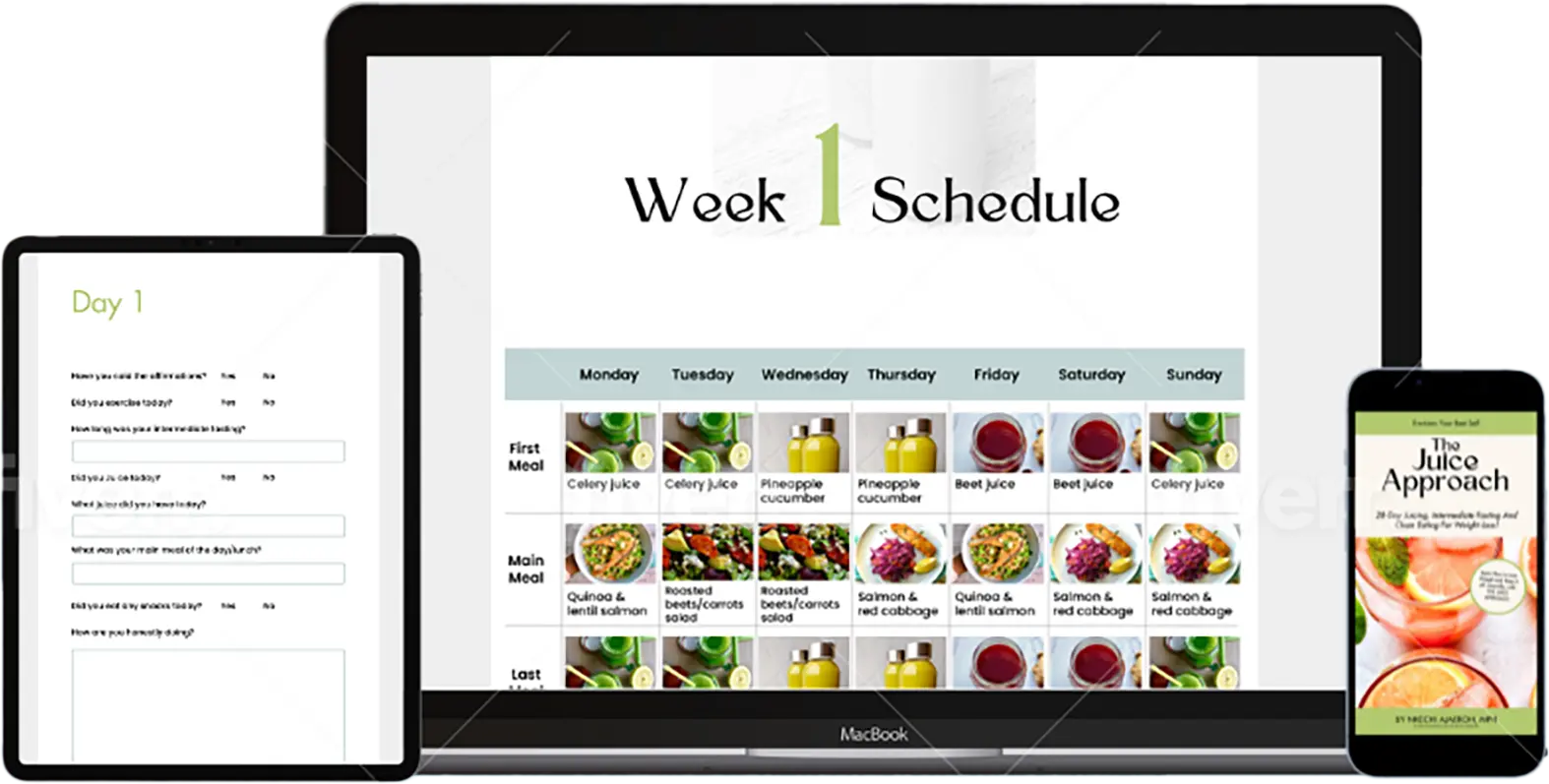
The Juice Approach
The Juice Approach is a 3-fold strategy for weight loss and maintenance, incorporating 28-day juicing, intermittent fasting, and clean eating. It’s designed to help you naturally lose weight, enhance confidence, and stay motivated on your journey.
Learn More About Ozempic
MORE WELLNESS POSTS:
- Ease Arthritis Pain with These 10 Foods!
- 10 Ways To Reduce Anxiety Attacks Naturally.
- 21 Foods to Eat to Reduce High Blood Pressure.
- 11 Foods to Promote Breast Health!
- Diabetes Mellitus: Symptoms, Cause & Food to Eat!
- Apple Cider Vinegar Benefits & 25 Uses
- 15 Foods to Eat to Lower LDL “Bad” Cholesterol
- 5 Reasons You Will Never Lose Weight With CICO.
- 55 Heart-Healthy Vegetables to Help Improve Your Heart Health
- Aphasia and Frontotemporal Dementia: 10 Things to Know
- 10 Ways To Prioritize Your Mental Health Everyday
- 15 Foods to Boost Your Immune System
- Weight Loss Habits: 12 Simple Habits To Lose Weight
Finally, let’s connect on social media, am on Pinterest, Facebook, Instagram, Twitter, and YouTube. If you like video recipes, then be sure to head over to my YouTube Channel. Share this post, and SAVE/PIN THIS IMAGE ON PINTEREST! ⤵️
THANKS FOR STOPPING BY! Stay well, safe and keep living your life to the fullest!

DISCLOSURE: The information provided in this article is for educational and informational purposes only and should not be taken as medical advice or a substitute for professional care. Always consult your physician or qualified healthcare provider before beginning any new supplement, treatment, or wellness routine—especially if you are taking medication, have a health condition, or are pregnant or breastfeeding. This content is designed to inspire healthy lifestyle habits and informed choices about nutrition and wellness. Individual experiences may vary. Please use this information as guidance and partnership with your healthcare provider on your journey toward balanced, sustainable health.

You may Also Like