
Berberine vs Ozempic: A Science-Backed Comparison for Women’s Metabolic Health

Ozempic has gained attention for rapid weight loss, but concerns about side effects remain. This science-backed comparison explores whether berberine offers similar benefits for women’s metabolic health, blood sugar balance, and sustainable weight management. If you’re curious whether berberine is as effective as Ozempic, then this article answers that question.
Berberine vs Ozempic Comparison
When I first explored this topic, I started with semaglutide, GLP-1, aka Ozempic. I later followed up with a science-based article on 7 Ozempic alternatives. If you read that post, you know berberine ranked as the number one alternative. Today, we’re taking the conversation one step further. This article explores how berberine scientifically compares to Ozempic. More importantly, we’ll examine how each affects women’s metabolic health. That includes blood sugar balance, weight management, and long-term sustainability. If you enjoyed the previous topics, you’ll likely enjoy this one too. So if you’re ready, I am. Let’s dive into Berberine vs. Ozempic: A Science-Backed Comparison for Women’s Metabolic Health.
Ozempic has become one of the most widely discussed medications for weight loss and blood sugar management. However, growing concerns highlight visible side effects like “Ozempic face,” muscle loss, and overall frailty. Some users report looking overly thin, fatigued, or unwell after rapid weight loss. Despite these drawbacks, celebrities, influencers, and busy professionals continue using Ozempic for fast results.
Ready for a gentle reset? Download my free 5-day detox challenge —a simple, refreshing way to reset and support your wellness goals.
5-Day Detox Challenge
5-Day Detox Challenge
Ditch the weight loss craze and get intentional about getting healthier. This almighty healthy lifestyle kick starter will automatically nip unhealthy eating habits in the bud! Are you ready?
What is Berberine?
Berberine is a natural plant compound extracted from herbs like barberry and goldenseal, traditionally used to support metabolic health. It works by activating AMPK, an enzyme that helps regulate blood sugar, insulin sensitivity, and fat metabolism. Because of these effects, berberine is often used to support balanced energy, healthy weight management, and overall metabolic function.
Berberine is often called “nature’s Ozempic.” If you’re a busy woman seeking better metabolic balance, steady energy, or sustainable weight control, you may be wondering: Can berberine deliver similar benefits to Ozempic, and which option truly supports women’s health long-term? This science-based comparison explores how each works, expected results, costs, side effects, and long-term sustainability. Importantly, it examines these factors through the lens of women’s metabolic health.
Berberine vs Ozempic: A Science-Backed Comparison for Women’s Metabolic Health:
Berberine vs Ozempic: Cost and Accessibility Comparison
Ozempic is a prescription-only injection costing $900–$1,200 per month without insurance. Even for those with coverage, copays can be high, and many women face delays due to nationwide shortages.
Berberine, by contrast, is an over-the-counter supplement costing just $20–$40 per month. No prescription, no injections, no insurance headaches. For many women managing families, careers, and wellness goals, accessibility matters as much as effectiveness.
Verdict:
Berberine is dramatically more affordable and accessible for everyday metabolic support.
Berberine vs Ozempic: How They Work in the Body
How Ozempic Works
Ozempic (semaglutide) mimics GLP-1, a hormone that:
- Triggers insulin release when blood sugar rises
- Slows digestion, reducing post-meal spikes
- Lowers appetite and supports portion control
Many women notice fast results — especially in appetite reduction.
How Berberine Works
Berberine works differently. It activates AMPK, the enzyme known as the “metabolic master switch.” AMPK helps:
- Improve insulin sensitivity
- Support fat metabolism
- Regulate how cells use glucose for energy
This mechanism is slower but deeply restorative, especially for women experiencing hormonal changes (PCOS, perimenopause) or chronic fatigue.
Verdict:
Ozempic acts quickly through hormonal signaling; berberine builds long-term cellular balance.
Berberine’s Benefits for Blood Sugar and Metabolic Health
Research shows berberine can be as effective as some prescription medications for supporting healthy blood sugar levels. For women, this can be especially helpful because metabolism naturally shifts with age, stress, and hormonal transitions including. Read more on berberine’s benefits.
- Lower fasting blood sugar
- Reduced insulin resistance
- Improved cholesterol and triglycerides
- Better digestion and gut balance
- Fewer sugar cravings
- More stable energy
- Reduced bloating
- Improved metabolism after 8–12 weeks

Why Berberine Is Particularly Effective for Women
Women over 40 often deal with fluctuating hormones, sleep imbalances, and stress — all of which impact blood sugar. Berberine provides gentle, daily support that helps stabilize these shifts naturally. Additionally, berberine benefits the gut microbiome, which plays a significant role in cravings, inflammation, hormones, and mood.
Clinical studies show:
- 20–30% reduction in fasting blood sugar
- Gradual, sustainable weight loss over 3 months
Berberine is not a magic pill — but it encourages the body to function more efficiently over time.
Real-world takeaway:
Berberine supports long-term wellness and metabolic stability without dependency.
Berberine vs Ozempic: When is Ozempic most appropriate?
- Type 2 diabetes
- Severe obesity
- Under close medical supervision
Ozempic’s Benefits for Blood Sugar and Weight Loss
Ozempic is very effective for:
- Reducing appetite
- Slowing digestion
- Improving insulin response
- Supporting significant short-term weight loss
While results are often rapid, they may not be permanent. Many women regain weight after stopping Ozempic unless lifestyle habits are firmly in place.
Takeaway:
Ozempic excels for short-term clinical management but requires lifestyle support to maintain results.
Berberine vs Ozempic: Side Effects Women Should Know!
Ozempic Side Effects
- Nausea and vomiting
- Constipation or diarrhea
- Fatigue
- Possible pancreatitis or gallbladder concerns
- Rebound weight gain after discontinuation
Berberine Side Effects
- Mild digestive discomfort in the first week
- Possible interactions with diabetes or blood-pressure medications
- Not recommended during pregnancy or breastfeeding
Verdict:
Berberine’s side effects are milder and typically fade quickly. Ozempic’s effects are stronger and may persist.
Berberine vs Ozempic: Long-Term Sustainability for Women’s Wellness
Ozempic
Provides rapid changes but may not train your body to maintain them. Stopping the medication often results in a return of appetite, cravings, and weight gain.
Berberine
Supports a gradual shift toward metabolic balance. It encourages the body to regulate blood sugar more efficiently, supporting long-term health.
Verdict:
Ozempic is effective short-term. Berberine supports sustainable, long-term metabolic health.
How Women Can Use Berberine Safely:
For best results:
- Take 500 mg, two to three times daily with meals
- Choose third-party tested brands (Thorne, NOW, Nutricost)
- Pair with balanced meals: protein + fiber + healthy fats
- Stay consistent — results build over weeks, not days
Avoid using berberine with prescription diabetes medication unless supervised by a doctor.
Supporting Your Metabolism Beyond Supplements
Women often see better results when combining berberine with simple lifestyle practices:
- Eat protein at every meal. Check out my air fryer salmon and chicken breast fajitas to add to your meal. If you prefer lamb chops, here you go.
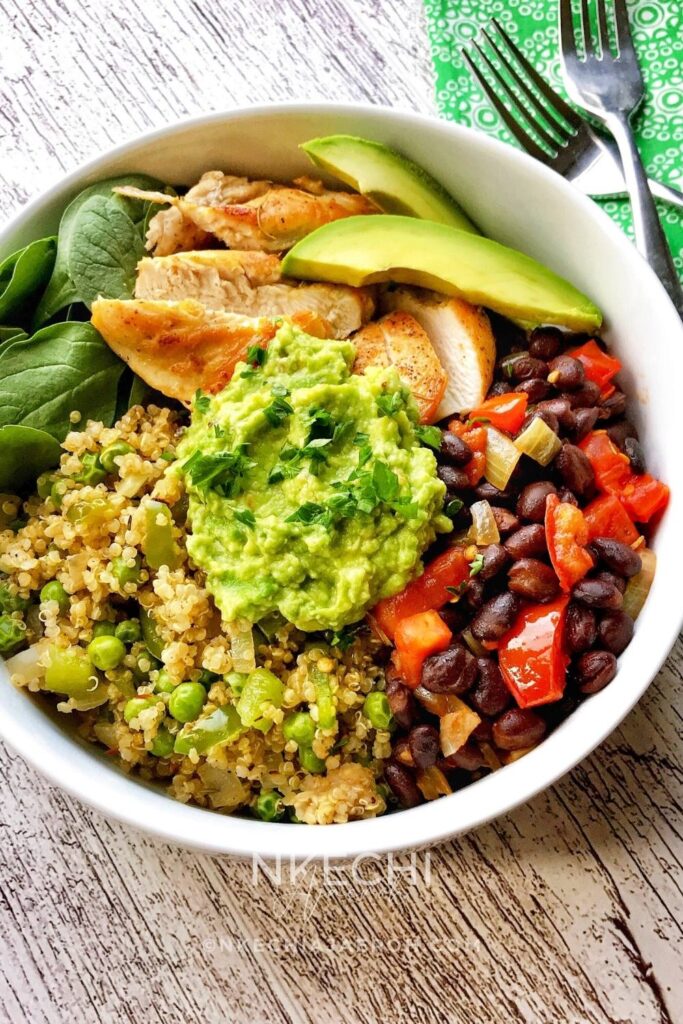
- Increase fiber to stabilize blood sugar. The quinoa-black beans bowl below is packed with healthy fiber and protein!
- Walk daily to boost insulin sensitivity
- Reduce added sugars. Read this article to learn about the foods that will help you quit sugar.
- Prioritize sleep, which regulates appetite hormones
- Manage stress through mindful movement or deep breathing
These habits help reinforce berberine’s effects and maintain metabolic balance long-term.
Closing Reflections
Both Ozempic and berberine have valuable roles — but they are designed for different needs. If you are managing diabetes or severe obesity, Ozempic may be appropriate under medical supervision.
But for women seeking affordable, natural, long-term support for blood sugar balance, cravings, and metabolic health, berberine is an excellent option. It works with your body, not against it, helping you build sustainable wellness from the inside out.
Proper metabolic health isn’t about quick fixes — it’s the result of consistent habits, nourishment, and informed choices.
Curious About Juicing for Weight Loss?
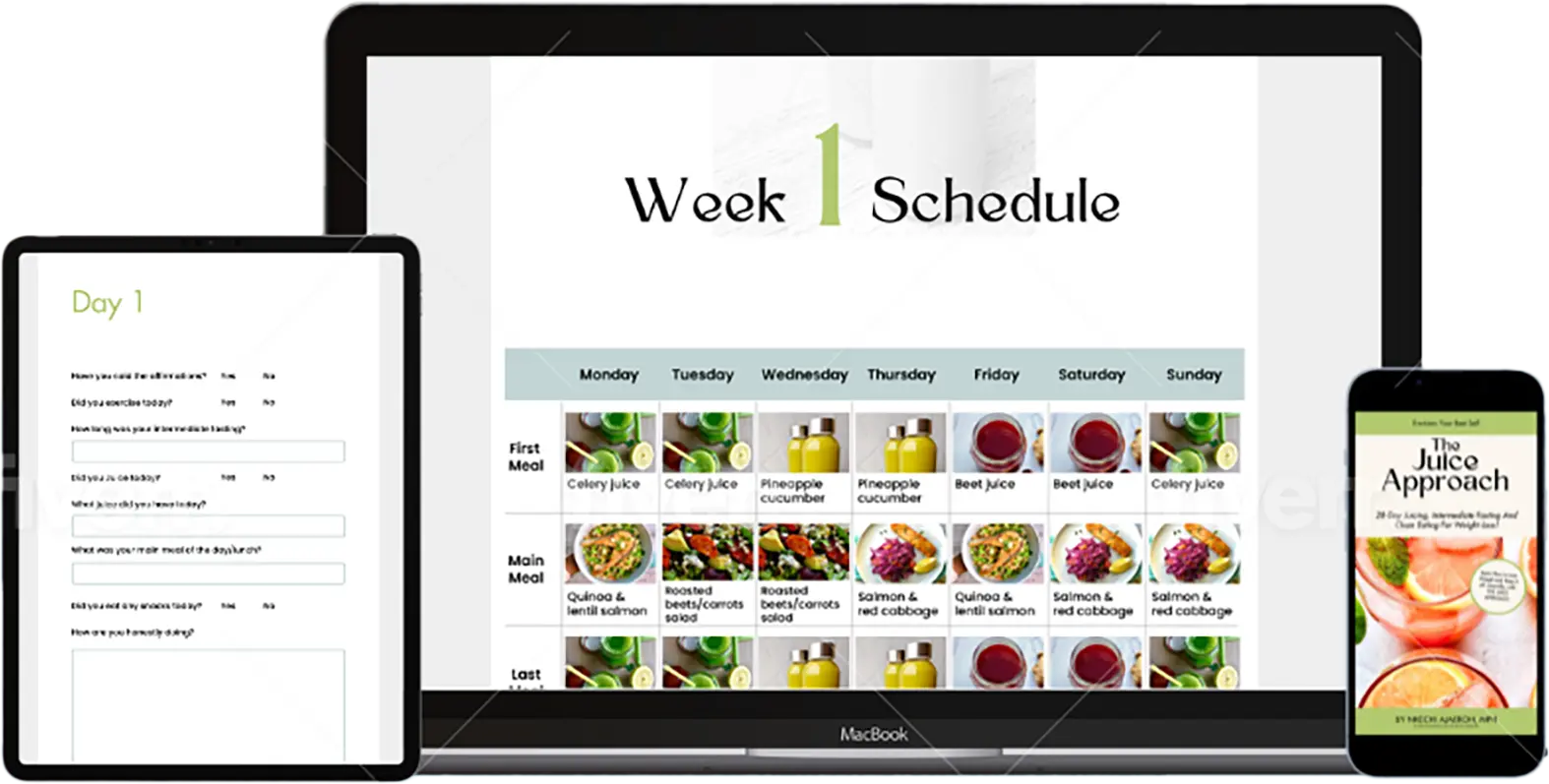
If juicing has been on your mind, The Juice Approach offers a supportive 28-day plan combining juicing and clean eating to help you reset, restore energy, and feel more at ease in your body. I’m here to guide you every step of the way.
The Juice Approach
The Juice Approach is a 3-fold strategy for weight loss and maintenance, incorporating 28-day juicing, intermittent fasting, and clean eating. It’s designed to help you naturally lose weight, enhance confidence, and stay motivated on your journey.
Learn More About Ozempic
MORE WELLNESS POSTS:
- Ease Arthritis Pain with These 10 Foods!
- 10 Ways To Reduce Anxiety Attacks Naturally.
- 21 Foods to Eat to Reduce High Blood Pressure.
- 11 Foods to Promote Breast Health!
- Diabetes Mellitus: Symptoms, Cause & Food to Eat!
- Apple Cider Vinegar Benefits & 25 Uses
- 15 Foods to Eat to Lower LDL “Bad” Cholesterol
- 5 Reasons You Will Never Lose Weight With CICO.
- 55 Heart-Healthy Vegetables to Help Improve Your Heart Health
- Aphasia and Frontotemporal Dementia: 10 Things to Know
- 10 Ways To Prioritize Your Mental Health Everyday
- 15 Foods to Boost Your Immune System
- Weight Loss Habits: 12 Simple Habits To Lose Weight
Finally, let’s connect on social media, am on Pinterest, Facebook, Instagram, Twitter, and YouTube. If you like video recipes, then be sure to head over to my YouTube Channel. Share this post, and SAVE/PIN THIS IMAGE ON PINTEREST! ⤵️
THANKS FOR STOPPING BY! Stay well, safe and keep living your life to the fullest!

DISCLOSURE: The information provided in this article is for educational and informational purposes only and should not be taken as medical advice or a substitute for professional care. Always consult your physician or qualified healthcare provider before beginning any new supplement, treatment, or wellness routine—especially if you are taking medication, have a health condition, or are pregnant or breastfeeding. This content is designed to inspire healthy lifestyle habits and informed choices about nutrition and wellness. Individual experiences may vary. Please use this information as guidance and partnership with your healthcare provider on your journey toward balanced, sustainable health.

You may Also Like